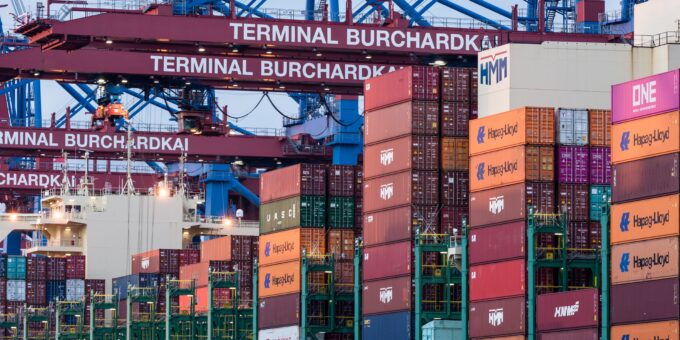
This International Trade & Supply Chain: Import Export Guide for Businesses explains the essential steps involved in international trade. Whether you run a small online business, a growing wholesale company, or an established manufacturer, the right process can make cross-border trade more predictable and efficient.
What Is International Trade?
International trade is the exchange of goods and services between businesses or individuals in different countries. Importing means purchasing goods or services from another country. Exporting means selling goods or services to buyers in another market.
International trade can create significant opportunities. Businesses can source products at competitive prices, reach new customers, and diversify their supply base. At the same time, international transactions can introduce additional costs and risks.
These risks include customs delays, currency fluctuations, changing regulations, damaged goods, payment problems, and unexpected transportation costs. For this reason, businesses need an organized import export strategy before entering a foreign market.
How the Import and Export Process Works
A successful international transaction usually follows a series of connected steps. Understanding this process helps businesses identify costs and responsibilities before placing an order.
1. Research the Target Market
Start by researching demand, competition, regulations, pricing, and customer preferences. A product that sells well in one country may have limited demand in another.
Study market size, import requirements, local competitors, tariffs, and consumer behavior. Government trade resources can also provide valuable information for businesses planning international expansion. The U.S. Trade Administration provides export guidance, market information, and resources for companies exploring overseas opportunities.
2. Select Reliable Suppliers or Buyers
Supplier and buyer verification is one of the most important parts of international commerce. Businesses should check company information, references, certifications, production capabilities, payment terms, and previous trading experience.
Do not select a supplier based only on the lowest quotation. A cheaper supplier may create higher costs through poor quality, delays, excessive defects, or unreliable shipping.
Businesses should also agree on product specifications before production begins. Written specifications reduce misunderstandings and make quality control easier.
3. Understand HS Codes and Customs Classification
Every internationally traded product needs the correct customs classification. Harmonized System, or HS, codes are used to classify products for customs purposes.
The correct classification can affect duties, taxes, licensing requirements, and import documentation. Incorrect classification may result in delays, additional costs, or customs disputes.
Because customs rules vary by country and product, businesses should verify classification requirements with the relevant customs authority or a qualified trade professional.
Understanding Incoterms
Incoterms help define the responsibilities of buyers and sellers during international shipments. They clarify who handles transportation, insurance, delivery costs, and certain risks.
Common Incoterms include EXW, FOB, CIF, DAP, and DDP. Each term creates different obligations for the buyer and seller.
The ICC Incoterms Rules are an important reference for businesses involved in international sales contracts.
Choosing the right Incoterm can prevent disputes. Before agreeing to a shipping term, both parties should understand exactly where costs and risks transfer.
International Shipping and Supply Chain Management
International shipping is more than moving a product from one country to another. It involves transportation planning, warehousing, customs clearance, insurance, inventory management, and final delivery.
Air Freight vs. Ocean Freight
Air freight is generally faster and useful for high-value, lightweight, or time-sensitive products. However, it usually costs more.
Ocean freight is often more economical for large or heavy shipments. It can be suitable for businesses moving significant inventory, although transit times are typically longer.
The best option depends on product value, shipment size, delivery deadlines, and available cash flow.
Build Supply Chain Resilience
A strong supply chain should not depend on one supplier, one shipping route, or one market. Businesses can reduce disruption risk by developing alternative suppliers and maintaining realistic inventory levels.
Regular supplier reviews can also improve performance. Track delivery times, defect rates, communication quality, and total landed cost instead of focusing only on purchase price.
For additional supply chain planning, businesses can explore resources from the World Bank trade resources.
Import Duties, Taxes, and Landed Cost
One of the biggest mistakes new importers make is calculating profit from the supplier price alone. The actual cost of an imported product can be much higher.
Landed cost may include the product price, packaging, international freight, insurance, customs duties, brokerage fees, local transportation, storage, and applicable taxes.
Before ordering inventory, calculate the complete landed cost. This gives you a more realistic view of profit margins and helps you set competitive prices.
Businesses should also monitor changes in tariffs and trade policies. Duties can vary according to product classification, origin, destination, and applicable trade agreements.
Essential Import Export Documents
Accurate documentation is essential for smooth customs clearance. Requirements vary by country and shipment, but common documents can include:
- Commercial invoice
- Packing list
- Bill of lading or air waybill
- Certificate of origin
- Import or export licenses, where applicable
- Insurance documentation
- Product certificates or inspection documents
Document errors can cause customs delays. Therefore, businesses should make sure product descriptions, quantities, values, country of origin, and shipping information are consistent across documents.
International Payment Methods and Trade Risk
Payment risk becomes more important when buyers and sellers operate in different countries. Businesses should choose payment terms based on the relationship, transaction value, and level of trust.
Common methods include bank transfers, letters of credit, documentary collections, and other agreed commercial payment arrangements.
Currency movements can also affect profitability. If a business purchases inventory in one currency and sells products in another, exchange-rate changes may reduce the expected margin.
For larger transactions, businesses should consider professional advice on payment security, currency exposure, and contractual protections.
Technology and the Modern International Supply Chain
Technology can make international trade easier to manage. Inventory software, accounting platforms, order management systems, shipment tracking, and analytics tools can provide better visibility across the supply chain.
Automation can also reduce repetitive administrative work. Businesses can use systems to track purchase orders, inventory levels, supplier performance, and shipping milestones.
This is especially valuable for entrepreneurs building an online business. Digital commerce can connect businesses with international customers, but efficient fulfillment remains essential to customer satisfaction.
Import Export vs. Dropshipping and Affiliate Models
Not every online entrepreneur needs to hold international inventory. Some businesses use a dropshipping business model, where a supplier ships products directly to customers. Others use affiliate marketing, where they promote products and earn commissions instead of handling inventory.
Understanding affiliate vs dropshipping can help entrepreneurs choose a business model that matches their resources. Dropshipping may reduce inventory requirements, while affiliate marketing generally avoids product fulfillment altogether.
Traditional importing and exporting, however, gives businesses greater control over inventory, packaging, pricing, and distribution. It may also require more capital and operational planning.
For entrepreneurs researching passive income opportunities, it is important to recognize that international trade is usually an active business operation. It involves suppliers, customers, logistics, compliance, and financial management.
Learn more about building an online operation through our online business guide and explore our ecommerce business resources.
Common International Trade Mistakes to Avoid
Choosing Price Over Reliability
The cheapest supplier is not always the most profitable. Evaluate quality, delivery performance, communication, and total landed cost.
Ignoring Regulations
Never assume that a product can be imported simply because it is available for sale domestically. Some products may require licenses, certifications, labeling, or special handling.
Underestimating Cash Flow
International inventory can tie up cash for weeks or months. Include production, shipping, customs, storage, and payment timelines in your cash-flow plan.
Using Unclear Contracts
International sales agreements should clearly define product specifications, prices, delivery terms, payment terms, responsibilities, and dispute procedures.
How to Create an International Trade Strategy
A practical strategy starts with a small, controlled transaction. Test your supplier, shipping process, documentation, and customer demand before scaling.
Next, calculate your complete landed cost and target margin. Then establish reliable logistics partners and document your internal procedures.
Finally, review performance regularly. Measure delivery time, inventory turnover, customer satisfaction, defects, customs issues, and profit per shipment.
This approach turns international trade from a complex activity into a repeatable business process.
Final Thoughts
The global marketplace can create powerful growth opportunities for businesses of many sizes. However, successful importing and exporting requires more than finding a product and arranging shipping.
A strong International Trade & Supply Chain: Import Export Guide for Businesses strategy should cover market research, supplier verification, customs classification, Incoterms, logistics, documentation, payment security, landed cost, and supply chain resilience.
Start with manageable transactions, verify every important detail, and build reliable systems before expanding. With careful planning, businesses can reduce avoidable risks and create a more efficient international supply chain.
For related business resources, visit our business guides, ecommerce resources, and entrepreneurship section.
