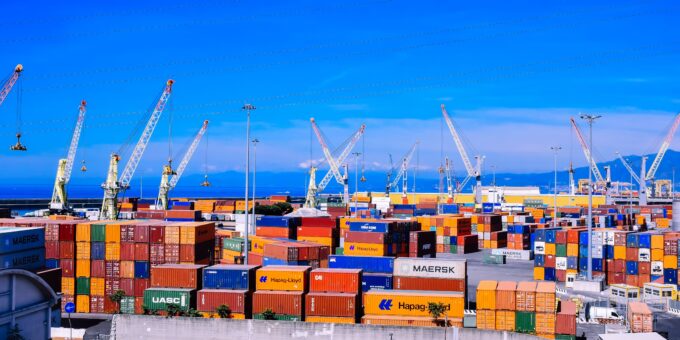
The Global Import Export Business: Supply Chain, Trade & Logistics Guide is a practical starting point for entrepreneurs and businesses that want to understand international commerce. Import and export operations connect manufacturers, suppliers, distributors, retailers, freight companies, customs authorities, and customers across borders.
A successful international business requires more than finding a product and a buyer. You need reliable suppliers, accurate product classification, competitive shipping costs, proper documentation, customs compliance, and a supply chain that can handle delays. The goal is to create a system that moves products safely, legally, and profitably.
Global trade also creates opportunities for both established companies and smaller businesses. Before entering a new market, however, it is important to understand the commercial, logistical, and regulatory requirements.
What Is a Global Import Export Business?
A global import export business buys, sells, distributes, or facilitates goods between different countries. An import business brings products into a country for resale, manufacturing, or commercial use. An export business sells products from the domestic market to customers or businesses overseas.
The business model can range from direct trading to wholesale distribution, sourcing, private labeling, manufacturing, and online commerce. Some companies manage the entire process themselves. Others work with freight forwarders, customs brokers, distributors, and third-party logistics providers.
For beginners, starting with a focused product category and a small number of target markets can make international expansion easier to manage.
How the Global Supply Chain Works
A supply chain is the network that connects raw materials, manufacturers, warehouses, transportation providers, sellers, and customers. In international trade, the supply chain can cross several borders before a product reaches its final destination.
A typical process looks like this:
Supplier sourcing → Product manufacturing → Quality inspection → Export documentation → International transportation → Customs clearance → Local delivery → Customer
Every stage can affect your costs and delivery times. A low product price may not create a profitable deal if freight, insurance, duties, storage, and customs expenses are high.
For this reason, successful importers and exporters calculate the total landed cost before placing large orders. Landed cost can include the purchase price, packaging, freight, insurance, duties, taxes, handling charges, brokerage fees, and other applicable expenses.
Finding Reliable International Suppliers
Supplier selection is one of the most important parts of international trade. A supplier should be evaluated for product quality, production capacity, communication, certifications, pricing, payment terms, and delivery performance.
Do not choose a supplier only because it offers the lowest price. A cheaper supplier can become expensive if products arrive late or fail quality inspections.
Key Supplier Checks
Before committing to a large order, consider requesting product samples. Verify business information and production capabilities. Ask about minimum order quantities and lead times. You should also establish clear product specifications in writing.
For larger transactions, independent quality inspections can provide additional protection. Written agreements should clearly define product standards, payment terms, delivery responsibilities, and procedures for defective goods.
Understanding International Trade Documentation
Documentation is central to an efficient import export business. Incorrect or incomplete documents can cause customs delays, additional costs, or shipment problems.
Common documents can include a commercial invoice, packing list, bill of lading or air waybill, certificate of origin, import or export permits, insurance documents, and other documents required by the destination country or product category.
Requirements vary by country and product. Therefore, businesses should check the rules of the relevant customs authority before shipping commercial goods.
The World Trade Organization (WTO) provides international trade information and data that can help businesses understand global markets and trade conditions.
HS Codes and Customs Classification
Correct customs classification is a critical part of global trade. Products are commonly classified using the Harmonized System (HS), an international product classification system maintained by the World Customs Organization.
The WCO explains that the HS contains thousands of commodity groups identified through standardized codes. More than 200 countries and economies use the system as a basis for customs tariffs and international trade statistics.
You can review the World Customs Organization Harmonized System guide when researching product classification and customs requirements.
Getting the HS classification wrong can affect duties, taxes, licenses, reporting requirements, and customs clearance. Businesses should verify classification carefully and seek qualified customs advice when the correct code is uncertain.
Incoterms and International Shipping Responsibilities
Incoterms are another important part of the Global Import Export Business: Supply Chain, Trade & Logistics Guide. These standardized trade terms help buyers and sellers define responsibilities for delivery, costs, and risk.
The International Chamber of Commerce publishes the Incoterms rules. The current version is Incoterms 2020, which contains 11 trade terms used in domestic and international sales contracts.
For example, different Incoterms can determine who arranges transportation, who pays certain costs, and when risk transfers from the seller to the buyer.
Read the official ICC Incoterms rules information before selecting a delivery term for an international sales contract.
Never select an Incoterm simply because a supplier recommends it. Compare the term with your transportation strategy, insurance requirements, customs responsibilities, and ability to manage the shipment.
Choosing the Right International Logistics Strategy
International logistics involves moving goods from the supplier to the buyer efficiently and safely. The best transportation method depends on product characteristics, shipment size, destination, urgency, and budget.
Ocean Freight
Ocean freight is often suitable for large or heavy shipments. It can provide competitive transportation costs, although transit times are usually longer than air freight.
Air Freight
Air freight is useful when speed matters. It can be appropriate for smaller, higher-value products or urgent shipments. However, transportation costs are generally higher.
Road and Rail
Road and rail transportation can be important for regional trade and inland movement. Many international shipments use multiple transportation modes as part of a larger logistics network.
A freight forwarder can coordinate transportation, documentation, and shipment processes. For businesses without an internal logistics team, working with experienced professionals can simplify international operations.
Managing Costs in an Import Export Business
Profitability depends on controlling the complete cost structure. Product price is only one part of the calculation.
Consider supplier pricing, packaging, inland transportation, international freight, insurance, customs duties, taxes, brokerage, warehousing, currency conversion, payment processing, and final delivery.
A simple landed-cost calculation can help:
Total landed cost = Product cost + Transportation + Insurance + Duties + Taxes + Customs and handling charges + Other applicable costs
Once the total cost is known, you can calculate a realistic wholesale or retail price. This prevents businesses from accepting orders that generate revenue but little or no profit.
Building a Resilient Global Supply Chain
Supply chain disruptions can happen because of port congestion, transportation shortages, weather events, regulatory changes, supplier problems, or unexpected demand.
One way to reduce risk is supplier diversification. Depending on the product, businesses may benefit from having alternative suppliers or backup logistics options.
Inventory planning is also important. Holding too much inventory can increase storage costs and tie up capital. Holding too little can create stockouts and missed sales.
Technology can improve visibility. Inventory systems, shipment tracking, purchase-order management, and demand forecasting can help businesses identify problems earlier.
Import Export Business vs. Online Business Models
International trade can also complement digital business models. Entrepreneurs sometimes compare affiliate vs dropshipping when deciding how to build an online business.
Affiliate marketing generally involves promoting another company’s products or services and earning a commission. A dropshipping business allows a seller to market products while a supplier handles fulfillment. Traditional importing, in contrast, usually involves greater responsibility for inventory, logistics, customs, and product ownership.
Understanding these differences is useful when selecting a business model. While passive income is often promoted online, international commerce generally requires active management of suppliers, compliance, customer service, and logistics.
Businesses interested in digital models can also explore affiliate vs dropshipping, affiliate marketing, and dropshipping business strategies as related topics.
How to Start a Global Import Export Business
Starting small can reduce financial and operational risk. Begin by choosing a product category with clear demand and manageable regulatory requirements.
1. Research the Target Market
Study customer demand, competitors, prices, regulations, tariffs, and distribution channels. Official trade data can help you evaluate potential markets.
The WTO trade statistics database provides data covering merchandise trade, services, and other international trade indicators.
2. Identify Qualified Suppliers or Buyers
Develop a supplier or buyer screening process. Check commercial records where available and communicate clear product specifications.
3. Calculate the Complete Cost
Calculate landed cost before negotiating the final selling price. Include realistic transportation, customs, and handling expenses.
4. Confirm Compliance Requirements
Check import restrictions, labeling rules, product standards, licenses, certificates, and customs requirements for the destination market.
5. Choose Logistics Partners
Compare freight forwarders, customs brokers, carriers, warehouses, and fulfillment providers. Reliability can be more valuable than choosing the cheapest quote.
6. Test Before Scaling
Start with a manageable shipment when practical. Review product quality, delivery performance, customs procedures, and actual costs before increasing order volume.
Common Global Trade Mistakes to Avoid
New businesses often focus heavily on product sourcing while overlooking logistics and compliance. This can create expensive problems.
Common mistakes include using incorrect HS codes, misunderstanding Incoterms, underestimating landed costs, relying on one supplier, failing to inspect products, and ignoring destination-country regulations.
Another mistake is scaling too quickly. A supplier that can handle a small order may not have the capacity to support a much larger purchase. Test processes before committing significant capital.
The Future of Global Import Export Business
The future of international trade will increasingly depend on supply chain visibility, digital documentation, data-driven planning, and flexible sourcing strategies.
Businesses that combine strong supplier relationships with accurate cost management and reliable logistics can respond more effectively to changing market conditions.
Technology can also make international commerce more accessible to smaller companies. Online marketplaces, digital payments, inventory software, and logistics platforms can reduce some of the barriers that once limited global expansion.
Final Thoughts
The Global Import Export Business: Supply Chain, Trade & Logistics Guide shows why international commerce is more than buying products from one country and selling them in another. Successful trade depends on the entire system, from supplier selection and customs classification to freight, documentation, inventory, and final delivery.
Start with careful market research. Understand your product and its regulations. Calculate the complete landed cost. Use appropriate trade terms and reliable logistics partners. Most importantly, build processes that can scale without sacrificing compliance or customer service.
With disciplined planning, a global import export business can become a structured and sustainable commercial operation rather than a series of disconnected transactions.
