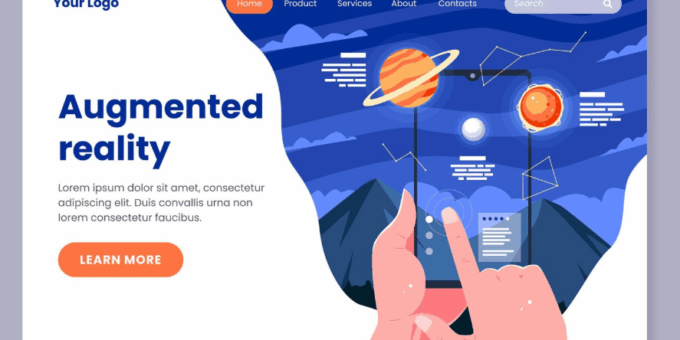
How to Use Astronomy Apps for Night Sky Observation has become one of the most searched topics among beginners and experienced stargazers alike. Thanks to smartphones and tablets, the night sky is no longer mysterious or difficult to understand. With the right astronomy apps, anyone can identify stars, planets, constellations, satellites, and even deep-sky objects in real time.
This in-depth guide explains how astronomy apps work, how to choose the best one, and how to use them effectively for night sky observation. Whether you are a casual sky watcher or an aspiring astronomer, this article will help you unlock the full potential of digital stargazing tools.
What Are Astronomy Apps and How Do They Work?
Astronomy apps are mobile or desktop applications that use your device’s GPS, compass, and motion sensors to map the night sky accurately. When you point your device toward the sky, the app displays what you are seeing in real time.
Learning how to use astronomy apps for night sky observation begins with understanding their core features:
- Real-time sky maps
- Object identification
- Planet tracking
- Event notifications
- Augmented reality modes
These features make astronomy more accessible than ever before.
Why Astronomy Apps Are Essential for Modern Stargazing
Traditional stargazing required printed star charts and extensive knowledge. Astronomy apps simplify the process and reduce the learning curve.
They also reflect a broader trend of using smart tools to improve efficiency. Just as people use technology to build passive income through affiliate marketing, astronomy enthusiasts use apps to gain accurate sky data instantly.
Best Astronomy Apps for Night Sky Observation
Choosing the right app is a crucial step in mastering how to use astronomy apps for night sky observation.
Stellarium Mobile
Stellarium is one of the most popular astronomy apps worldwide. It offers a realistic sky simulation and works offline, making it ideal for remote locations.
Visit
Stellarium star map software to explore features and supported platforms.
SkySafari
SkySafari is a powerful app used by amateur and professional astronomers. It includes extensive databases of stars, galaxies, and nebulae.
Learn more from
SkySafari astronomy app, which also provides telescope control features.
NASA Sky Events and Resources
NASA offers free educational tools and sky event calendars that complement astronomy apps perfectly.
Check out
NASA skywatching resources for accurate astronomical updates.
How to Set Up an Astronomy App Correctly
Proper setup ensures accurate results when learning how to use astronomy apps for night sky observation.
Enable Location Services
Always allow GPS access. Accurate location data ensures precise star and planet positioning.
Calibrate Your Compass
Compass calibration improves directional accuracy. Most apps guide you through a simple calibration process.
Adjust Display Settings
Use night mode or red-light mode to protect your night vision. This feature is essential for extended observation sessions.
Using Astronomy Apps in Real-Time Observation
Once set up, using the app is straightforward.
Point and Identify
Hold your device toward the sky. The app overlays names and paths of celestial objects.
Search for Objects
Use the search function to locate specific stars, planets, or constellations.
Track Celestial Events
Most apps notify users about meteor showers, eclipses, and planetary alignments.
You can also enhance your experience by combining apps with our
Beginner Stargazing Guide.
Using Astronomy Apps with Telescopes and Binoculars
Advanced users often integrate astronomy apps with optical equipment.
Telescope Alignment
Some apps help align telescopes by showing precise coordinates and object paths.
Planning Observation Sessions
Use planning tools to identify the best viewing times and objects based on light pollution and weather conditions.
Common Mistakes to Avoid When Using Astronomy Apps
Understanding how to use astronomy apps for night sky observation also means avoiding common pitfalls.
- Ignoring compass calibration
- Using bright screen modes at night
- Relying solely on digital tools without learning basics
- Observing in high light-pollution areas
Correcting these mistakes significantly improves accuracy and enjoyment.
How Astronomy Apps Support Learning and Education
Astronomy apps are powerful educational tools. Teachers, parents, and students use them to explore space interactively.
Much like building an online business, learning astronomy requires consistency and the right tools. Whether comparing affiliate vs dropshipping or exploring the Milky Way, informed choices lead to better results.
Can Astronomy Apps Replace Traditional Star Charts?
While apps are highly convenient, traditional star charts still have value. They teach foundational skills and encourage deeper understanding.
However, for most users, astronomy apps provide faster results and real-time data that printed charts cannot match.
Best Times and Places to Use Astronomy Apps
Location and timing play a major role in observation success.
Choose Dark Sky Locations
Apps perform best in low light-pollution areas. National parks and rural locations are ideal.
Monitor Weather Conditions
Clear skies improve visibility and app accuracy.
Privacy and Battery Tips for Astronomy Apps
Extended use can drain battery life quickly.
- Carry a power bank
- Enable airplane mode when possible
- Lower screen brightness
These simple steps ensure uninterrupted observation sessions.
Future of Astronomy Apps and Digital Stargazing
The future of astronomy apps includes improved augmented reality, AI-powered object recognition, and deeper integration with telescopes.
Just as digital platforms have transformed dropshipping business models, astronomy apps continue to reshape how people explore the universe.
Final Thoughts on How to Use Astronomy Apps for Night Sky Observation
How to Use Astronomy Apps for Night Sky Observation is no longer a technical challenge. With the right app, proper setup, and basic understanding of the night sky, anyone can enjoy astronomy.
These apps bridge the gap between curiosity and knowledge, making space exploration accessible to all. Whether you observe casually or pursue astronomy seriously, astronomy apps are essential tools for modern stargazers.
By combining technology, planning, and patience, you can transform every clear night into a journey through the cosmos.
