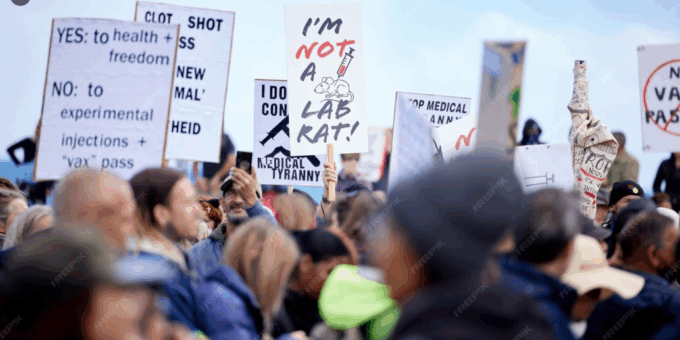
How to Understand Democracy and Its Real Impact is more important today than ever before. Democracy is often discussed, praised, or criticized, yet many people only understand it on a surface level. Elections, voting, and political debates dominate headlines, but democracy goes far beyond election day.
This in-depth guide explains what democracy truly means, how it functions in practice, and how it affects your daily life, finances, and future opportunities. By the end, you will see democracy not as an abstract idea, but as a living system that shapes real-world outcomes.
What Democracy Really Means
At its core, democracy means rule by the people. Citizens have the power to influence decisions that shape society.
This influence usually happens through voting, representation, and civic participation. However, democracy is not just about choosing leaders. It is also about protecting rights, ensuring accountability, and allowing diverse voices to be heard.
Understanding these foundations is the first step in How to Understand Democracy and Its Real Impact.
The Core Principles of Democracy
Free and Fair Elections
Elections allow citizens to choose representatives. Fair elections require transparency, equal access, and trust in the process.
Without fair elections, democratic systems lose legitimacy.
Rule of Law
In a democracy, laws apply equally to everyone. No individual or institution is above the law.
This principle protects citizens from abuse of power.
Protection of Rights
Democracy safeguards fundamental rights such as freedom of speech, religion, and assembly.
These rights allow citizens to express opinions and hold leaders accountable.
Citizen Participation
Democracy depends on active participation. Voting is one form, but civic engagement goes further.
Public discussions, community involvement, and peaceful protest all strengthen democratic systems.
How Democratic Institutions Work
Democracies rely on institutions to function effectively. These include legislatures, courts, and executive bodies.
Each institution has defined powers and responsibilities. This separation prevents any single group from gaining too much control.
Educational resources like Democratic Systems and Governance explain these structures in clear, neutral terms.
Democracy Beyond National Politics
Many people associate democracy only with national elections. However, democracy also operates at local levels.
City councils, school boards, and community organizations make decisions that affect daily life.
Local democracy often has a more direct impact on services, taxes, and infrastructure.
The Real Impact of Democracy on Daily Life
Democracy shapes policies that affect healthcare, education, transportation, and public safety.
It determines how public money is spent and which priorities receive funding.
Even decisions about internet access, environmental protection, and housing stem from democratic processes.
This practical influence is central to How to Understand Democracy and Its Real Impact.
Democracy and Economic Opportunity
Democratic stability encourages economic growth.
Clear laws and accountable institutions attract investment and innovation.
This environment supports entrepreneurship and job creation.
People building passive income or running an online business benefit from predictable regulations and fair competition.
Democracy’s Role in the Digital Economy
The digital economy depends on democratic decision-making.
Policies regulate online privacy, digital taxation, and cross-border trade.
These rules directly affect business models such as affiliate marketing and operating a dropshipping business.
Understanding democracy helps entrepreneurs navigate changes in digital regulations.
Democracy and Individual Freedom
Democratic societies protect personal freedom.
Citizens can express opinions, choose careers, and pursue opportunities without fear of repression.
This freedom supports creativity, innovation, and social mobility.
Without democratic protections, individual potential is often limited.
Challenges Faced by Modern Democracies
Democracy is not perfect.
Modern challenges include misinformation, political polarization, and declining trust.
Economic inequality can also weaken democratic participation.
Recognizing these challenges is part of understanding democracy realistically.
The Role of Media in Democracy
Independent media is essential to democracy.
It informs citizens and investigates those in power.
However, not all media promotes understanding.
Learning to evaluate sources improves democratic awareness.
Trusted platforms like Democracy and Public Opinion Research provide data-driven insights into democratic trends.
Democracy and Education
Education strengthens democracy.
Informed citizens make better decisions and resist manipulation.
Civic education explains rights, responsibilities, and political processes.
Understanding democracy starts with learning how systems work.
How Democracy Impacts Financial Decisions
Political stability influences markets.
Interest rates, taxes, and regulations are shaped through democratic institutions.
This affects long-term planning for individuals and families.
For those comparing affiliate vs dropshipping or other income models, policy direction matters.
Democracy and Social Equality
Democracy aims to give equal voice to all citizens.
While outcomes are not always equal, democratic systems provide tools to address injustice.
Civil rights movements have used democratic processes to create change.
This shows democracy’s potential for progress.
Global Perspectives on Democracy
Democracy looks different across countries.
Each system reflects unique history and culture.
Some democracies are parliamentary, others presidential.
Understanding these differences broadens perspective.
Democracy and Global Cooperation
Democratic nations often collaborate through international institutions.
These partnerships address global challenges like climate change and trade.
Cooperation is easier when governments are accountable to citizens.
Your Role in a Democracy
Democracy requires participation.
Voting is essential, but so is staying informed.
Engaging in discussions, supporting transparency, and respecting differing views all matter.
Your actions contribute to democratic strength.
How to Stay Engaged Without Burnout
Constant political noise can be overwhelming.
Choose reliable sources and set boundaries.
Focus on understanding rather than reacting.
Balanced engagement leads to sustainable civic involvement.
Democracy and Long-Term Stability
Strong democracies adapt over time.
They allow peaceful transitions of power.
This stability benefits society and the economy.
It also encourages innovation and investment.
Why Democracy Still Matters
Despite its flaws, democracy remains one of the most effective systems for protecting freedom.
It allows correction through participation rather than force.
This adaptability is its greatest strength.
Final Thoughts on Democracy and Its Impact
How to Understand Democracy and Its Real Impact is about seeing democracy as a living system.
It shapes laws, economies, and daily choices.
When citizens understand democracy, they use it more effectively.
An informed and engaged public is the foundation of a healthy democratic future.
