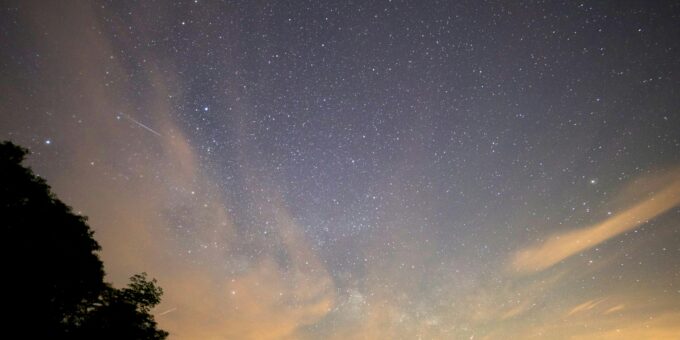
Many people believe you need expensive cameras or powerful telescopes to enjoy our galaxy. In reality, learning How to See the Milky Way with the Naked Eye is possible for anyone willing to plan ahead and choose the right conditions. The Milky Way has inspired humans for thousands of years, and you can still experience its beauty without special equipment.
This guide explains where, when, and how to see the Milky Way clearly. You will also learn how to avoid common mistakes and improve your chances of success.
What Is the Milky Way?
The Milky Way is our home galaxy. It contains billions of stars, planets, and nebulae. From Earth, we see it as a faint, glowing band stretching across the sky.
This glow comes from looking toward the dense center of the galaxy. When skies are dark enough, the Milky Way becomes visible to the naked eye.
Understanding this helps you master How to See the Milky Way with the Naked Eye more effectively.
Why Most People Never See the Milky Way
The main reason people miss the Milky Way is light pollution. Artificial lights wash out faint stars and hide the galaxy’s glow.
Cloud cover, moonlight, and poor timing also reduce visibility. Just like launching an online business, success depends on planning and environment.
Best Time of Year to See the Milky Way
The Milky Way is visible at different times depending on your location.
Northern Hemisphere
The best months are from May to September. During this period, the galactic core rises higher in the sky.
Southern Hemisphere
Visibility is even better from March to October, with longer viewing windows.
Peak viewing usually happens around midnight during summer months.
Best Time of Night for Viewing
Timing matters as much as location.
- View after astronomical twilight ends
- Avoid moonlit nights
- Late night or early morning is best
Planning your session is similar to choosing between affiliate vs dropshipping. The right timing improves results.
Choose a Dark Sky Location
Dark skies are essential when learning How to See the Milky Way with the Naked Eye.
Get as far away from city lights as possible. Rural areas, national parks, and high elevations work best.
Dark Sky Locations help you find certified dark-sky parks and reserves worldwide.
Light Pollution Maps allow you to check darkness levels before traveling.
Check Weather and Sky Conditions
Clear skies are a must. Even thin clouds can hide the Milky Way.
Low humidity improves clarity. Wind is less important, but haze can reduce contrast.
Clear Sky Forecasts provide detailed astronomy-friendly weather predictions.
Moon Phase Matters
The Moon is the enemy of Milky Way viewing.
Plan your trip around the new moon. Even a half moon can overwhelm faint galactic light.
Always check moonrise and moonset times before heading out.
Let Your Eyes Adjust to Darkness
Your eyes need time to adapt. This process is called dark adaptation.
- Allow 20 to 30 minutes
- Avoid phone screens
- Use red light if needed
This simple step dramatically improves what you can see.
Where to Look in the Sky
The Milky Way appears as a cloudy band crossing the sky.
During summer in the Northern Hemisphere, look toward the south. In winter, it shifts closer to the horizon.
Learning basic constellations helps guide your view.
Use Stargazing Apps and Star Charts
Apps make finding the Milky Way much easier.
Milky Way Star Maps show real-time sky positions based on your location.
These tools act like a GPS for the night sky and are ideal for beginners.
What the Milky Way Really Looks Like
Many people expect bright colors like photos online. The naked-eye view is more subtle.
You will see a pale, milky glow with darker dust lanes cutting through it. With practice, more structure becomes visible.
Managing expectations is key when learning How to See the Milky Way with the Naked Eye.
Enhance the Experience Without Equipment
You do not need telescopes or cameras, but small additions help.
- Reclining chair or blanket
- Warm clothing
- Thermos with a hot drink
Comfort helps you stay longer and notice more detail.
Common Mistakes to Avoid
- Going out during a full moon
- Staying too close to city lights
- Not allowing eye adjustment
- Expecting colorful images
Avoiding these mistakes makes your experience far more rewarding.
Can Binoculars Help?
Yes, binoculars reveal star clouds and dust lanes, but they are optional.
Start with naked-eye viewing first. Binoculars are a bonus, not a requirement.
Educational and Lifestyle Benefits
Seeing the Milky Way creates perspective and curiosity.
Many enthusiasts turn their passion into blogs, photography projects, or even affiliate marketing ventures related to astronomy.
Some build niche sites that generate passive income, similar to running a dropshipping business focused on outdoor or astronomy gear.
Helpful Internal Resources
Continue learning with these guides:
Safety Tips for Night Sky Viewing
Always prioritize safety.
- Tell someone where you are going
- Bring a flashlight with red mode
- Watch for wildlife and terrain
Preparation ensures a relaxing experience.
Final Thoughts
Learning How to See the Milky Way with the Naked Eye reconnects you with the natural night sky. It requires patience, planning, and darkness, not expensive gear.
Once you experience it, you will understand why the Milky Way has inspired humanity for generations.
