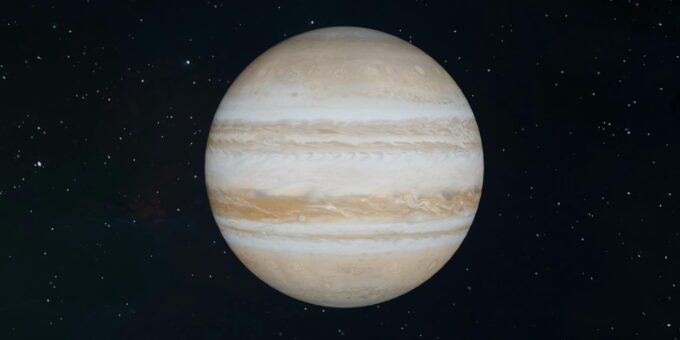
Have you ever pointed a telescope at the sky and wondered why planets look blurry or small? Learning How to Observe Planets Through a Telescope Like a Pro requires more than just owning good equipment. It involves timing, technique, patience, and understanding how the night sky works.
In this complete guide, you will discover practical strategies to observe planets clearly and confidently. Whether you are a beginner or an intermediate skywatcher, these tips will help you elevate your planetary viewing skills.
Why Learning How to Observe Planets Through a Telescope Like a Pro Matters
Planets are among the most exciting celestial objects to observe. Unlike stars, they show visible disks, colors, rings, and even surface details. With proper techniques, you can see:
- The rings of Saturn
- Cloud bands on Jupiter
- Phases of Venus
- Polar ice caps on Mars
When you master How to Observe Planets Through a Telescope Like a Pro, you unlock a deeper appreciation for astronomy. You also improve your observational discipline and night-sky awareness.
Choose the Right Telescope
You do not need the most expensive telescope. However, the right type makes a difference.
Refractor Telescopes
Refractors offer crisp planetary views and low maintenance. They are excellent for beginners.
Reflector Telescopes
Reflectors provide larger apertures for the price. They gather more light, which helps reveal planetary details.
Compound Telescopes
These combine refractor and reflector designs. They are compact and versatile.
Before buying, review expert comparisons on trusted platforms like
telescope reviews and buying guides. High-authority astronomy websites help you choose wisely.
Understand Aperture and Magnification
Many beginners focus only on magnification. That is a mistake.
Aperture determines how much light your telescope gathers. More light equals sharper details. For planetary observation, an aperture of at least 70mm (refractor) or 130mm (reflector) works well.
Use moderate magnification first. Increase gradually. Too much magnification causes blurry images due to atmospheric turbulence.
Pick the Best Time to Observe
Timing is critical when learning How to Observe Planets Through a Telescope Like a Pro.
Observe During Opposition
Planets are brightest and closest during opposition. For example, Jupiter and Saturn appear larger and more detailed.
You can track planetary visibility through
NASA’s planet visibility guide.
Wait for Steady Atmospheric Conditions
Atmospheric turbulence affects clarity. Look for nights with steady, calm air. If stars appear to twinkle heavily, planetary details may blur.
Observe When Planets Are High
Planets near the horizon suffer from distortion. Wait until they are high in the sky for clearer views.
Allow Your Telescope to Cool Down
This step is often overlooked. Telescopes need 20–45 minutes to adjust to outdoor temperatures.
Temperature differences cause air currents inside the tube. That reduces image quality. Let your equipment acclimate before serious observation.
Use Quality Eyepieces
Eyepieces matter more than many realize. Invest in at least three focal lengths:
- Low power (25mm–32mm)
- Medium power (10mm–15mm)
- High power (6mm–9mm)
Premium eyepieces provide sharper images and better contrast. Many astronomy bloggers monetize eyepiece reviews through affiliate marketing, turning their passion into passive income via an online business.
When comparing monetization models like affiliate vs dropshipping, astronomy gear review sites often prefer affiliate programs. Running a dropshipping business for telescopes involves logistics challenges, while affiliate partnerships are simpler.
Use Planetary Filters
Colored filters enhance planetary features:
- Red filter: Improves Martian surface contrast
- Blue filter: Highlights Jupiter’s cloud details
- Yellow filter: Enhances Saturn’s ring contrast
Filters increase subtle contrasts that are otherwise hard to detect.
Master the Art of Patience
Professional observers do not just glance. They observe for extended periods.
Planetary details appear in fleeting moments of steady air. Watch continuously for 5–10 minutes. Your eyes and brain gradually detect finer features.
This technique is known as “averted vision” and concentrated viewing. It significantly improves results.
Track the Planet Manually or With a Motor Drive
At higher magnifications, planets move quickly across the field of view. You must adjust your telescope frequently.
Equatorial mounts or motor drives simplify tracking. They keep the planet centered and allow you to focus on details instead of constant adjustments.
Keep an Observation Journal
Professionals log every session. Record:
- Date and time
- Weather conditions
- Equipment used
- Magnification levels
- Observed details
Tracking patterns improves your understanding of How to Observe Planets Through a Telescope Like a Pro. Over time, you will notice progress in your observational skills.
Know What to Expect From Each Planet
Jupiter
Look for cloud bands and its four bright moons. On clear nights, you may see the Great Red Spot.
Saturn
Even small telescopes reveal its rings. With better conditions, you can see ring divisions.
Mars
Best observed during opposition. Look for polar ice caps and dark surface markings.
Venus
Shows phases similar to the Moon.
Mercury
Challenging due to its proximity to the Sun. Observe shortly after sunset or before sunrise.
Minimize Light Pollution
While planets are bright, darker skies improve contrast. Use tools from the
International Dark Sky Association to locate better viewing sites.
If observing from home, turn off nearby lights and use a red flashlight to preserve night vision.
Collimate Your Telescope
Reflector telescopes require alignment of mirrors. Misalignment reduces sharpness.
Learn collimation techniques from trusted resources like
Newtonian reflector collimation guide. Proper alignment dramatically improves planetary clarity.
Use a Barlow Lens Carefully
A Barlow lens doubles or triples magnification. However, it also magnifies atmospheric distortion.
Use it only on steady nights. Test different combinations for optimal results.
Avoid Common Beginner Mistakes
Over-Magnifying
Higher magnification does not always mean better detail.
Ignoring Seeing Conditions
Blurry views often result from unstable air, not poor equipment.
Skipping Practice
Observation skills improve through repetition.
Advanced Pro Tips
Stack Short Observations
Observe repeatedly over several nights. Compare changes in planetary features.
Try Planetary Imaging
Attach a planetary camera. Capture short videos. Stack frames using software for enhanced detail.
Join an Astronomy Community
Local clubs provide mentorship and access to advanced equipment.
Turning Astronomy Into an Income Opportunity
Once you master How to Observe Planets Through a Telescope Like a Pro, you can share your knowledge online.
Many astronomy enthusiasts create blogs, YouTube channels, or digital courses. Through affiliate marketing, they recommend telescopes and accessories. This builds recurring passive income.
When comparing affiliate vs dropshipping, astronomy niches often perform better with affiliate models. A dropshipping business requires shipping heavy equipment. Meanwhile, affiliate links to trusted retailers offer scalable income potential.
Building an online business around astronomy education combines passion with profit. High-quality content attracts readers and advertisers, leading to strong ECPM opportunities.
Final Thoughts on How to Observe Planets Through a Telescope Like a Pro
Mastering How to Observe Planets Through a Telescope Like a Pro is not about expensive gear. It is about preparation, patience, and technique.
Remember these key principles:
- Choose proper aperture and moderate magnification
- Observe during opposition and steady conditions
- Allow equipment to cool
- Use quality eyepieces and filters
- Practice consistently
The more you observe, the more detail you will see. Over time, planetary observation becomes second nature.
Tonight, set up your telescope. Give it time. Watch carefully. The planets are waiting.
