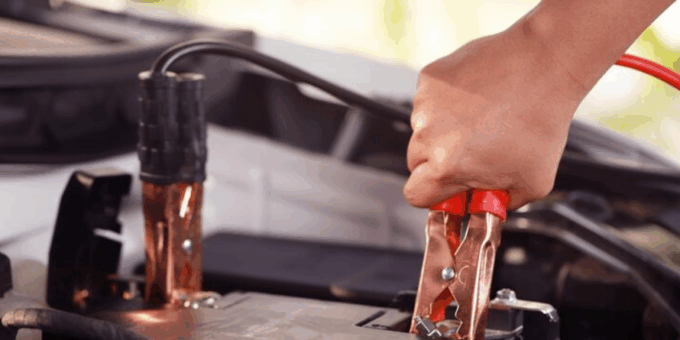
A healthy car battery is essential for dependable starts and smooth driving. Knowing How to Extend the Life of Your Car Battery can keep you from getting stranded, save money, and ensure your vehicle runs reliably year‑round. In this guide, we’ll explore practical, easy‑to‑follow tips you can use today to protect and prolong your battery’s performance.
Why Battery Lifespan Matters
Your car battery is responsible for starting the engine and powering electrical systems when the engine isn’t running. Over time, batteries lose their ability to hold a charge and can fail unexpectedly. Many factors influence battery life, including driving habits, weather conditions, and maintenance. Batteries typically last about three to five years, but careful care can help you get the longest possible service. ([turn0search13])
By understanding battery care basics and common causes of early failure, you can avoid surprises and improve your vehicle’s reliability.
1. Keep Your Battery Clean and Corrosion‑Free
One of the most important ways to extend battery life is to keep it clean. Dirt, grease, and corrosion on the battery terminals make it harder for electricity to flow. This puts extra strain on the battery and shortens its life. ([turn0search2])
Step‑by‑Step Terminal Cleaning
- Protect your eyes and hands before working on the battery.
- Disconnect the negative cable first, then the positive cable.
- Use a baking soda and water mixture to scrub corrosion with an old toothbrush.
- Rinse with clean water and dry completely.
- Apply a light coating of petroleum jelly to terminals to prevent future corrosion.
- Reconnect positive cable first, then negative.
Keeping the top of your battery clean also reduces self‑discharge and ensures a strong connection. ([turn0search6])
2. Drive Your Car Regularly
Car batteries recharge while you drive. If you frequently take short trips, the battery doesn’t get enough time to recharge fully. This can lead to gradual discharge, which shortens battery life. Try to drive your car for at least 20–30 minutes every week to allow the alternator to keep the battery healthy. ([turn0search2])
If your car is unused for extended periods, consider using a battery maintainer or trickle charger. These devices keep the battery at optimal charge and prevent it from discharging too deeply. ([turn0search14])
3. Avoid Excessive Use of Electronics When the Engine is Off
Modern vehicles have many electronic features — radios, infotainment systems, interior lights, and more. Using these systems while the engine is not running draws power directly from the battery and can lead to faster discharge. Avoid using electronics without the engine running to preserve battery charge. ([turn0search11])
Always double‑check that interior lights, headlights, and accessories are turned off before exiting your vehicle. Even a small drain while the engine is off can cause slow discharge over time. ([turn0search6])
4. Protect Your Battery From Extreme Temperatures
Both hot and cold weather can negatively impact battery performance. In winter, batteries struggle to deliver the power needed for cold starts, while in summer the heat accelerates internal fluid evaporation and chemical reactions that damage batteries. ([turn0search6])
- Hot Weather: Park in shaded areas or garages to reduce heat exposure. Heat increases the rate of electrolyte evaporation and accelerates battery degradation. ([turn0search13])
- Cold Weather: If possible, park in a garage during freezing conditions. Cold slows chemical reactions inside the battery and reduces its ability to hold a charge.
Temperature management helps ensure your battery stays healthy through seasonal extremes.
5. Limit Short Trips and Combine Errands
Repeated short trips prevent your battery from fully recharging. Each engine start uses a significant amount of power, and if drives are too brief, the alternator doesn’t have enough time to replenish the battery. Organize errands into longer drives or combined trips to give your battery the recharge it needs. ([turn0search10])
A lack of full charge cycles over time leads to gradual capacity loss and shortens battery life.
6. Secure and Inspect the Battery Regularly
Vibration from a loosely mounted battery can damage internal components and reduce its lifespan. Check that the battery is tightly fastened in its hold‑down bracket. This stabilizes it and limits wear from shock and vibration. ([turn0search0])
During routine inspections, you should also look for cracks, swelling, or other physical damage. Any sign of deterioration means it may be time for professional testing or replacement.
7. Test the Battery and Charging System
Professional battery testing helps ensure your battery is functioning correctly. Once a battery reaches about three years of age, it’s wise to have it tested annually. These tests check voltage levels, cold‑cranking amps (CCA), and overall health. Many auto shops and mechanics offer free battery testing. ([turn0search2][turn0search13])
If your alternator is not charging properly or if wiring issues exist, your battery may struggle to maintain charge even with good maintenance. Testing both the battery and charging system helps catch issues before they lead to a dead battery.
8. Minimize Parasitic Electrical Drains
Parasitic drains occur when small electrical loads draw power from the battery even when the engine is off. Common culprits include alarm systems, onboard computers, and accessories that remain active. These drains slowly deplete your battery’s charge over time. The best way to prevent parasitic drain is to turn off electronic accessories when leaving the car and ensure older or malfunctioning devices are repaired or removed. ([turn0search11])
If you notice your battery losing charge even when the car isn’t being used, it could be a sign of parasitic drain that needs diagnosis by a professional.
9. Avoid High‑Power Accessory Use at Start‑Up
Using high‑power accessories like heaters, defrosters, and powerful audio systems immediately after starting can put strain on your battery. Wait until the engine is fully running and the alternator is providing power before using high‑power accessories. This reduces the load on your battery during critical start‑up moments. ([turn0reddit39])
10. Know When It’s Time to Replace the Battery
Even with meticulous care, car batteries don’t last forever. Most automotive batteries have a lifespan of about three to five years, depending on driving conditions and climate. If your vehicle shows signs like slow engine cranking, dim headlights, or frequent jump starts, it may be time to consider a new battery. Replacing an aging battery before it fails can prevent unexpected breakdowns. ([turn0search13])
Staying proactive with battery care and tests helps you plan ahead and avoid being stranded by a dead battery.
Conclusion
Understanding How to Extend the Life of Your Car Battery empowers you to take practical steps that protect your vehicle’s power source. Regular cleaning, careful driving habits, temperature protection, and periodic testing all contribute to a longer battery life. The payoff is fewer surprise failures, reduced maintenance costs, and a more reliable driving experience.
With consistent care and smart habits, you’ll enjoy the full potential of your battery and get the best value from every charge.
For more detailed battery care and maintenance advice, check out this AAA Automotive Battery Maintenance Tips, explore expert cleaning methods at Amaron Battery Care Guide, and see additional strategies to protect your battery at Shell Battery Life Extension Tips.
