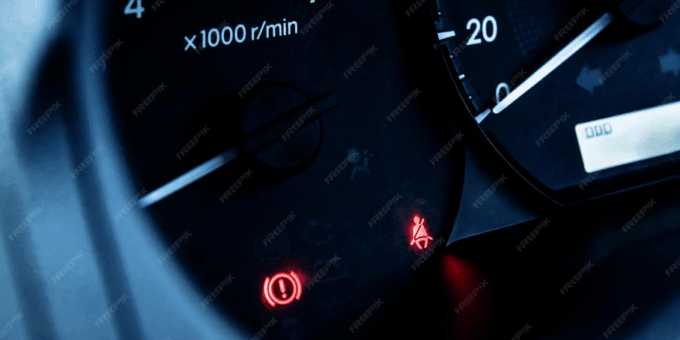
Seeing an illuminated engine warning light on your dashboard can be stressful. But with the right tools and steps, you can learn How to Diagnose Engine Warning Lights Yourself and determine what’s behind the alert. This guide will walk you through what the warning light means, how to read error codes, and what simple fixes you might be able to do without visiting a mechanic.
What the Engine Warning Light Means
The engine warning light — often called the “check engine light” or Malfunction Indicator Lamp (MIL) — is your car’s way of telling you that something in the engine or emissions system is not operating correctly. When the car’s computer detects a problem, it stores a fault code and illuminates the light. This could be something minor like a loose fuel cap or something more serious like a sensor or ignition problem. :contentReference[oaicite:0]{index=0}
There are two general states for the engine warning light:
- Steady Light: Indicates a problem that should be checked soon, but may not require immediate stopping.
- Flashing/Blinking Light: Signals a serious issue that could damage major components if ignored. In this case, you should stop driving and diagnose promptly. :contentReference[oaicite:1]{index=1}
Step 1: Observe the Warning Light and Symptoms
Before any tools are used, take note of the warning light behavior and how the vehicle is running. Ask yourself:
- Does the engine feel rough or run poorly?
- Are there unusual sounds like knocking or misfires?
- Is there smoke, smell, or reduced fuel economy?
These clues help you prioritize whether the issue is urgent. If the light is flashing, pull over safely and consider diagnosing immediately. A steady light allows you more time but still needs investigation. :contentReference[oaicite:2]{index=2}
Step 2: Access the On‑Board Diagnostics (OBD) Port
Modern cars (built after 1996) use the On‑Board Diagnostics II (OBD‑II) system to communicate fault codes. To diagnose engine warning lights yourself, you’ll need to access your vehicle’s OBD‑II port. This port is usually located under the dash near the steering column, though some vehicles may have it under the glove box. :contentReference[oaicite:3]{index=3}
Once located, you’ll plug in an OBD‑II scanner or code reader. These tools range from inexpensive handheld devices to Bluetooth adapters that work with smartphone apps. Many auto parts stores will read your engine codes for free if you don’t have a scanner. :contentReference[oaicite:4]{index=4}
Step 3: Scan for Trouble Codes
After connecting your OBD‑II scanner, turn the ignition to the “ON” position without starting the engine. Follow the scanner’s instructions to read the stored trouble codes. Codes usually appear as something like P0171, P0300, or P0420 — each representing a type of issue in the engine control or emissions system. :contentReference[oaicite:5]{index=5}
Here are a few common examples:
- P0171: System too lean — Air/Fuel mixture issue.
- P0300: Random misfires.
- P0420: Catalyst system efficiency below threshold (possible catalytic converter issue). :contentReference[oaicite:6]{index=6}
These codes won’t immediately tell you the exact failed part, but they narrow down the system you need to investigate. You can search online for the specific code and car model to get likely causes and remedies. :contentReference[oaicite:7]{index=7}
Step 4: Research the Meaning of Your Codes
Once you have a trouble code, it’s time to look up what it means. Websites like O’Reilly Auto Parts provide lists of common OBD‑II codes and their typical causes, including problems with oxygen sensors, fuel systems, air intake leaks, or catalytic converters. :contentReference[oaicite:8]{index=8}
Some codes point to simple fixes you might attempt yourself:
- Loose Fuel Cap: Tighten the gas cap and clear the code. Often this alone can turn off the engine light if it caused an evaporative emissions leak. :contentReference[oaicite:9]{index=9}
- Air Intake or MAF Sensor Faults: Cleaning the mass airflow sensor can sometimes help — just be sure to use an approved sensor cleaner. :contentReference[oaicite:10]{index=10}
- Spark Plug or Ignition Coil Issues: Replacing these common wear items can sometimes fix misfire codes. :contentReference[oaicite:11]{index=11}
Step 5: Fix or Further Diagnose the Problem
After interpreting the code, decide whether the fix is something you can handle yourself or if professional help is needed. Simple fixes like tightening a gas cap, replacing spark plugs, or checking a loose connector may be manageable at home. For deeper problems like catalytic converter issues or internal engine faults, you might need a mechanic’s expertise. :contentReference[oaicite:12]{index=12}
Before erasing any codes from the scanner, write them down. Clearing the code without fixing the issue will only make the light go off temporarily, but the underlying fault remains and could worsen your problem. :contentReference[oaicite:13]{index=13}
Clearing Engine Codes After Repair
Once you have resolved the issue — such as tightening a loose component or replacing a failed sensor — use your scanner to clear the engine codes. Most scanners have a “Clear Codes” or “Erase Fault Codes” option. After clearing, drive the car for a few cycles to ensure the condition does not reoccur. :contentReference[oaicite:14]{index=14}
Note that some cars may require multiple drive cycles (engine on/off with varied conditions) before the light will stay off. If the problem recurs, the same code will reappear — indicating additional diagnosis is needed. :contentReference[oaicite:15]{index=15}
Tips and Precautions for DIY Diagnosis
Use the Right Tools
A good OBD‑II scanner makes all the difference. Basic code readers are cheap and sufficient for most codes. If you want deeper information, invest in a scanner that provides freeze frame data and real‑time sensor readings. These advanced tools help you understand exactly what’s happening inside the engine. :contentReference[oaicite:16]{index=16}
Don’t Ignore Multiple Lights
If several warning lights come on at once — such as engine light plus oil or temperature warnings — this could indicate a more serious issue. In that case, it’s safer to stop driving and seek professional advice right away. :contentReference[oaicite:17]{index=17}
Don’t Rely Only on Clearing Codes
Clearing trouble codes without fixing the root cause might turn off the warning light temporarily, but it allows the underlying issue to persist and potentially worsen. Treat the code as a clue, not a cure. :contentReference[oaicite:18]{index=18}
Keep a Maintenance Log
Document the codes you’ve seen and the repairs performed. This helps track recurring problems and provides useful history if you need professional help later. It also helps you see patterns — for example, repeated misfire codes might indicate worn ignition components. :contentReference[oaicite:19]{index=19}
Common Mistakes When Diagnosing Engine Lights
Many drivers make diagnostic mistakes, such as assuming the light always signals a major problem. Some codes do point to serious faults, but many are related to minor issues like sensor glitches. Others ignore initial codes and wait until symptoms worsen — which can lead to costly repairs. :contentReference[oaicite:20]{index=20}
Without proper interpretation and research, misdiagnosing a code can lead to unnecessary part replacements and increased repair bills. Always cross‑reference codes with reliable resources and consider professional diagnosis if you’re unsure. :contentReference[oaicite:21]{index=21}
Final Thoughts on DIY Engine Light Diagnosis
Knowing How to Diagnose Engine Warning Lights Yourself gives you more control over your vehicle maintenance. With an OBD‑II scan tool and a little patience, you can interpret engine codes, pinpoint likely causes, and determine next steps. This DIY approach saves money and helps you gain confidence in your vehicle care. Just remember that complex problems still require professional attention when safety and proper functioning are at stake. Regular diagnostics combined with routine maintenance keep your car healthy and your engine warning lights meaningful rather than mysterious alerts.
For additional tips on common codes and how to interpret them, explore this Guide to Common Check Engine Light Codes, read more at How to Read OBD‑II Codes and What They Tell You, and check this Complete Engine Light Diagnostic Guide.
