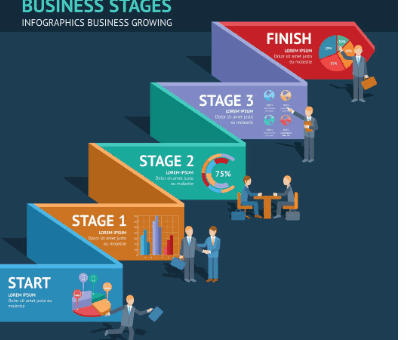
Growing a business is exciting, but scaling it successfully requires more than simply increasing sales. Sustainable growth demands careful planning, efficient systems, strong financial management, and continuous innovation. This comprehensive guide on How to Scale a Small Business Step by Step explains the practical strategies entrepreneurs can use to expand without sacrificing quality or profitability.
Whether you own a local company or an online business, following a structured growth plan will help you minimize risks while maximizing opportunities. By implementing the right strategies at the right time, your business can achieve long-term success and remain competitive in today’s evolving marketplace.
Why Scaling Is Different from Growing
Many business owners confuse growth with scaling. Growth often means increasing revenue while adding equivalent costs. Scaling, however, focuses on increasing revenue at a much faster rate than expenses.
For example, investing in automation, digital marketing, and streamlined operations allows businesses to serve more customers without proportionally increasing operating costs.
Understanding How to Scale a Small Business Step by Step begins with adopting a scalable business model that supports long-term expansion.
Step 1: Build a Strong Business Foundation
Before expanding, evaluate your current business performance. Scaling an unstable business usually creates larger problems.
Review Your Financial Position
Analyze:
- Revenue trends
- Profit margins
- Operating expenses
- Cash flow
- Outstanding debts
A financially healthy business is much better positioned for expansion.
For additional business planning resources, visit the Small Business Administration Business Guide.
Know Your Customers
Your customers determine future growth opportunities. Gather feedback through surveys, reviews, analytics, and customer support interactions.
Understanding customer needs helps you improve products while increasing loyalty.
Step 2: Create a Scalable Business Plan
A detailed roadmap keeps your expansion organized.
Your business plan should include:
- Revenue goals
- Target markets
- Marketing strategy
- Hiring plans
- Financial forecasts
- Operational improvements
Setting SMART goals ensures every milestone remains measurable and achievable.
Step 3: Optimize Your Business Processes
Efficient systems reduce costs while improving customer satisfaction.
Document standard operating procedures for every major process, including sales, customer support, marketing, accounting, and inventory management.
Automation software can eliminate repetitive tasks and improve overall productivity.
Step 4: Invest in Technology
Modern technology allows businesses to scale faster with fewer resources.
Consider implementing:
- Customer Relationship Management (CRM)
- Cloud accounting software
- Email marketing automation
- Inventory management systems
- Project management tools
- Customer support platforms
Technology reduces manual work and creates a more efficient operation.
Step 5: Strengthen Your Online Presence
Every growing company needs a professional digital presence.
Your website should be:
- Fast-loading
- Mobile-friendly
- SEO optimized
- Easy to navigate
- Secure
High-quality content improves search engine rankings while attracting qualified visitors.
Learn SEO best practices from the Google SEO Starter Guide.
Step 6: Focus on Search Engine Optimization
SEO provides consistent long-term traffic without relying entirely on paid advertising.
Publish valuable content that answers customer questions while naturally including relevant keywords.
Use keyword research tools like Google Trends to identify popular search topics in your industry.
Consistently updating your website helps improve authority and search visibility.
Step 7: Expand Your Product or Service Line
Introducing complementary products increases average customer value while strengthening your competitive advantage.
Examples include:
- Premium services
- Subscription plans
- Digital products
- Consulting packages
- Maintenance services
Expansion should always align with customer demand.
Step 8: Hire the Right Team
Successful businesses rely on skilled employees.
Hire professionals who share your company values and possess the expertise required for future growth.
Invest in regular training to improve productivity and employee retention.
Step 9: Improve Customer Experience
Customer satisfaction directly influences business growth.
Focus on:
- Fast customer support
- Personalized service
- Easy purchasing process
- Transparent communication
- Consistent quality
Happy customers become repeat buyers and valuable brand advocates.
Step 10: Diversify Revenue Streams
Relying on one income source increases business risk.
Many entrepreneurs expand into digital products, consulting services, educational content, or affiliate marketing.
Some business owners compare affiliate vs dropshipping when creating additional revenue streams. While a dropshipping business involves supplier coordination and customer fulfillment, affiliate marketing focuses on promoting trusted products for commission income. Both models can contribute to passive income while complementing an existing online business.
Learn more from our guide on affiliate marketing or explore our complete comparison of affiliate vs dropshipping.
Step 11: Build Strategic Partnerships
Business partnerships provide access to new customers without requiring significant marketing investments.
Examples include:
- Referral partnerships
- Joint ventures
- Co-marketing campaigns
- Supplier collaborations
- Industry associations
Strong partnerships accelerate sustainable business growth.
Step 12: Expand into New Markets
After establishing success in your primary market, consider expanding geographically.
Research:
- Customer demand
- Competition
- Local regulations
- Pricing strategies
- Distribution channels
Start with one market before expanding further.
Step 13: Track Key Performance Indicators
Successful scaling depends on data-driven decisions.
Monitor important KPIs such as:
- Revenue growth
- Gross profit margin
- Customer acquisition cost
- Customer lifetime value
- Conversion rate
- Website traffic
- Customer retention rate
Review these metrics regularly to identify strengths and improvement opportunities.
Common Mistakes to Avoid
Many businesses struggle because they scale too quickly.
Avoid these common mistakes:
- Ignoring cash flow
- Hiring too many employees too soon
- Neglecting customer service
- Expanding without market research
- Overcomplicating operations
- Failing to automate repetitive tasks
Controlled, strategic expansion usually produces stronger long-term results.
Best Practices for Sustainable Scaling
Businesses that scale successfully often share similar habits.
- Maintain financial discipline.
- Invest in employee development.
- Continuously improve operations.
- Use technology to increase efficiency.
- Listen carefully to customer feedback.
- Measure results before making major decisions.
These practices help businesses remain competitive during every stage of growth.
Conclusion
How to Scale a Small Business Step by Step is not about growing as quickly as possible. It is about creating systems, processes, and strategies that allow your business to expand sustainably. By strengthening your financial foundation, embracing technology, investing in digital marketing, improving customer experience, and diversifying revenue streams, your company can achieve steady long-term growth.
