How to Observe Solar and Lunar Eclipses Safely is a question every skywatcher should ask before looking up at the heavens. Eclipses are among the most breathtaking astronomical events, but observing them incorrectly can cause serious eye damage. Whether you are a beginner, a parent teaching children, or an experienced amateur astronomer, safety should always come first.
This comprehensive guide explains the science behind eclipses, the correct safety methods, recommended tools, and common mistakes to avoid. By the end, you will know exactly how to enjoy both solar and lunar eclipses safely and responsibly.
Understanding the Difference Between Solar and Lunar Eclipses
Before learning how to observe solar and lunar eclipses safely, it is important to understand how these events differ.
What Is a Solar Eclipse?
A solar eclipse occurs when the Moon passes between the Earth and the Sun, temporarily blocking the Sun’s light. Because the Sun emits intense radiation, looking directly at it without protection can permanently damage your eyesight.
What Is a Lunar Eclipse?
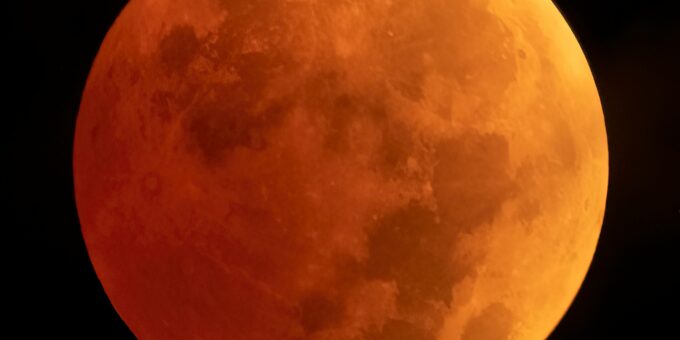
A lunar eclipse happens when the Earth moves between the Sun and the Moon, casting a shadow on the Moon. Unlike solar eclipses, lunar eclipses are completely safe to observe with the naked eye.
Why Eclipse Safety Is Non-Negotiable
Observing a solar eclipse without proper precautions can lead to solar retinopathy, a condition where the retina becomes burned by intense sunlight. The damage is painless at first but can result in permanent vision loss.
Think of eclipse safety like building a sustainable online business. You would not risk your long-term success for short-term gains. The same principle applies to your eyesight. Once damaged, it cannot be restored.
How to Observe Solar Eclipses Safely
Solar eclipses require strict safety measures. Follow these best practices every time.
Use Certified Eclipse Glasses
The safest and easiest way to observe a solar eclipse is by using ISO 12312-2 certified eclipse glasses. Regular sunglasses do not offer enough protection.
For official safety guidelines, refer to
NASA solar eclipse safety tips, which explain how to identify certified viewing equipment.
Use Solar Filters for Telescopes and Binoculars
If you plan to use optical devices, attach a proper solar filter to the front of the telescope or binoculars. Never look through unfiltered equipment, even for a second.
The
American Astronomical Society eclipse safety guide provides a list of approved solar filters and manufacturers.
Try Indirect Viewing Methods
Pinhole projectors and projection methods allow you to view the Sun’s image indirectly. These are excellent options for classrooms and families with children.
How to Observe Lunar Eclipses Safely
Lunar eclipses are much simpler to observe and pose no danger to your eyes.
Naked-Eye Viewing
You can safely watch a lunar eclipse with your eyes alone. The gradual darkening and reddish hue of the Moon make it a relaxing and educational experience.
Enhance the Experience with Binoculars
Binoculars or small telescopes reveal surface details and shadow transitions. While not necessary, they can enhance your enjoyment.
Best Time and Place to Watch an Eclipse
Location and timing matter when learning how to observe solar and lunar eclipses safely.
Check Local Visibility
Not every eclipse is visible from every location. Use reliable astronomical calendars such as
eclipse visibility maps and schedules to plan ahead.
Choose a Clear, Open Location
Find an area with minimal light pollution and an unobstructed view of the sky. Parks, rooftops, and open fields work well.
Common Eclipse Viewing Mistakes to Avoid
Even experienced observers sometimes make dangerous mistakes.
- Using sunglasses instead of eclipse glasses
- Looking through cameras or telescopes without filters
- Assuming brief glances are safe
- Using damaged or scratched eclipse glasses
Avoiding these errors is just as important as choosing the right equipment.
Teaching Children How to Observe Eclipses Safely
Children are naturally curious about celestial events. Teaching them how to observe solar and lunar eclipses safely instills good habits early.
Explain the science in simple terms and supervise all solar eclipse viewing. Pinhole projectors are especially effective for younger audiences.
Photography Tips for Safe Eclipse Viewing
Capturing an eclipse requires planning and proper equipment.
Use Solar Filters on Cameras
Never point a camera lens at the Sun without a solar filter. The concentrated light can damage both the camera sensor and your eyes.
Practice Before the Event
Test your setup in advance. This reduces stress and ensures you can enjoy the event without rushing.
Eclipse Watching and the Mindset of Long-Term Thinking
There is an interesting parallel between eclipse safety and digital entrepreneurship. Just as protecting your eyesight requires patience and preparation, building passive income through affiliate marketing or a dropshipping business demands careful planning.
Many beginners debate affiliate vs dropshipping when starting an online business. In both cases, long-term success depends on using the right tools and avoiding shortcuts. Eclipse viewing is no different.
Internal Resources for Astronomy Enthusiasts
If you are interested in learning more about astronomy and skywatching, explore our in-depth guides:
Beginner Stargazing Tips
Astronomy Equipment Buying Guide
Final Thoughts on Observing Eclipses Safely
How to Observe Solar and Lunar Eclipses Safely is knowledge every skywatcher should possess. Solar eclipses require certified eye protection and careful planning, while lunar eclipses offer a safe and peaceful viewing experience for everyone.
By following the guidelines in this article, using trusted resources, and avoiding common mistakes, you can enjoy these rare celestial events without risk. Safe observing ensures that eclipses remain a source of wonder, education, and inspiration for years to come.
