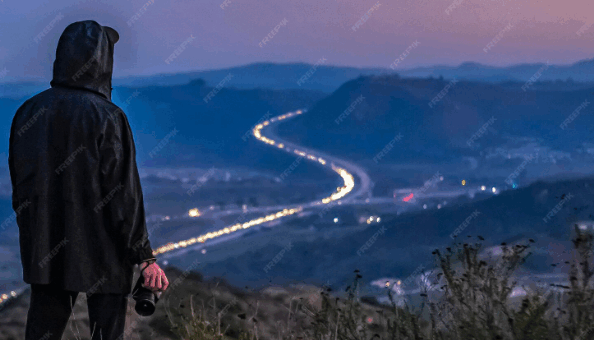
Learning How to Find Dark Sky Locations Near You is the single most important step toward better stargazing. You can own the best telescope or camera, but light pollution will still hide most of the night sky. Dark skies reveal stars, planets, meteor showers, and even the Milky Way with the naked eye.
This guide explains what dark sky locations are, why they matter, and how to find them easily using free tools and smart planning. Whether you live in a city or a rural area, you will discover practical ways to escape light pollution.
What Is a Dark Sky Location?
A dark sky location is an area with minimal artificial light. These places allow faint celestial objects to become visible.
Darkness is measured using the Bortle Scale. This scale ranges from Class 1, which is extremely dark, to Class 9, which represents inner-city skies.
Understanding this scale helps you master How to Find Dark Sky Locations Near You more effectively.
Why Dark Skies Matter for Stargazing
Light pollution washes out faint stars and deep-sky objects. Even a small amount of artificial light reduces contrast.
Under dark skies, you can see thousands of stars instead of just a few dozen. The difference is dramatic.
This principle applies to many fields. Just like building an online business, the environment you choose has a direct impact on your results.
Common Sources of Light Pollution
Knowing where light pollution comes from helps you avoid it.
- Streetlights
- Commercial areas
- Sports complexes
- Residential lighting
Even small towns can produce significant skyglow.
Use Light Pollution Maps
Online maps are the fastest way to locate dark skies.
Light Pollution Maps show real-time artificial brightness levels across the globe.
These maps allow you to zoom in on your area and compare locations before traveling.
Darker colors indicate better stargazing conditions.
Find Official Dark Sky Parks and Reserves
Many regions protect dark skies through conservation programs.
International Dark Sky Places lists certified parks, reserves, and communities worldwide.
These locations offer exceptional night skies and are ideal for beginners and experienced observers.
National Parks and Public Lands
National parks often have low light pollution.
Deserts, mountains, and remote forests are excellent choices.
National Park Stargazing Areas provide access to vast, protected landscapes with minimal artificial light.
How Far Do You Need to Travel?
You do not always need to travel far.
Sometimes driving 30 to 60 minutes outside a city dramatically improves sky quality.
Small improvements in darkness can reveal many more stars.
Using Satellite and Weather Data Together
Dark skies are useless without clear skies.
Check cloud cover, humidity, and atmospheric transparency before heading out.
Combine weather forecasts with light pollution maps for best results.
Choosing the Best Direction to Look
If travel is limited, direction matters.
Face away from nearby cities. Even from suburban areas, looking toward darker horizons helps.
This technique is useful while learning How to Find Dark Sky Locations Near You without long drives.
Timing Matters More Than You Think
Darkness improves later at night.
Many businesses turn off lights after midnight. Traffic decreases as well.
Moon phase is equally important. A full moon can make even dark locations bright.
Plan Around the Moon
Always check the lunar calendar.
New moon nights provide the darkest skies.
Even a half moon can overpower faint stars.
Altitude and Terrain Advantages
Higher elevations often provide clearer views.
Mountains reduce atmospheric distortion and haze.
Valleys near cities may trap light pollution.
Safety Considerations
Dark sky locations are often remote.
- Tell someone where you are going
- Bring extra clothing
- Carry a red flashlight
Preparation ensures a safe and enjoyable experience.
Local Astronomy Clubs and Communities
Astronomy clubs often know the best local dark sites.
Many organize group observing trips.
Joining a club accelerates learning and builds confidence.
Dark Sky Locations Near Urban Areas
Even major cities have nearby dark pockets.
Look for:
- Rural farmland
- Coastal areas
- Protected nature reserves
Water bodies often reflect less light than land.
How Dark Is Dark Enough?
You do not need perfect darkness.
Bortle Class 4 or 5 skies still allow excellent stargazing.
Progress matters more than perfection.
Enhancing Your Experience at Dark Sites
Bring simple comforts.
- Reclining chair
- Warm clothing
- Hot drink
Comfort allows longer observing sessions.
Common Mistakes to Avoid
- Ignoring moonlight
- Arriving too early
- Using white flashlights
- Underestimating travel time
These mistakes reduce sky quality.
How Dark Skies Improve Learning
Dark skies accelerate astronomy skills.
Constellations become obvious. Star hopping becomes easier.
Beginners often learn faster under dark skies than with expensive equipment.
From Stargazing to Content Creation
Many enthusiasts document dark sky trips.
Blogs, photography sites, and guides attract large audiences.
Some creators generate passive income through affiliate marketing by recommending astronomy gear.
Others compare monetization paths like affiliate vs dropshipping when launching astronomy-related projects.
A few even run a dropshipping business focused on outdoor or stargazing accessories.
Helpful Internal Resources
Explore more guides to improve your stargazing:
How Often Should You Visit Dark Sky Locations?
Even occasional trips make a difference.
One dark-sky visit per month improves skill and motivation.
Consistency builds experience.
Final Thoughts
Learning How to Find Dark Sky Locations Near You transforms your relationship with the night sky. Darkness reveals details that city lights hide.
With the right tools, planning, and mindset, incredible night skies are closer than you think.
Sometimes, the most powerful upgrade is not new equipment, but simply finding darker skies.
