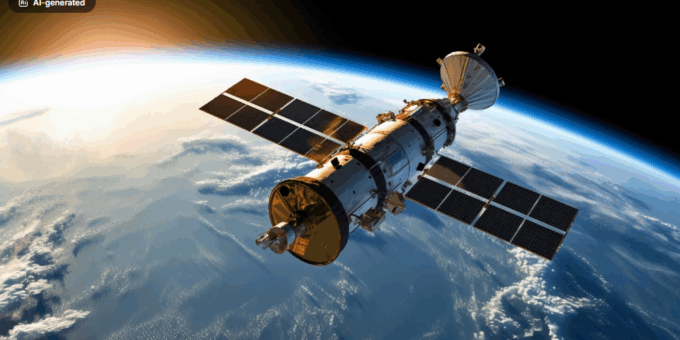
Learning How to Track Satellites and the ISS in the Sky is one of the most exciting and accessible ways to explore space. You do not need expensive equipment or advanced knowledge. With the right tools and timing, anyone can watch bright satellites and the International Space Station (ISS) glide across the night sky.
This guide explains everything step by step. You will learn what satellites are, why the ISS is easy to see, which tools work best, and how to improve your tracking success.
What Are Satellites and Why Can We See Them?
Satellites are objects that orbit Earth. Some are natural, like the Moon, while others are artificial and launched for communication, research, or navigation.
We can see satellites because they reflect sunlight. This happens most often shortly after sunset or before sunrise, when the sky is dark but satellites are still illuminated.
Understanding this basic concept is essential when mastering How to Track Satellites and the ISS in the Sky.
Why the International Space Station Is Special
The International Space Station is the brightest and largest artificial object in orbit. It travels at about 28,000 kilometers per hour and circles Earth every 90 minutes.
The ISS appears as a fast-moving, steady light. It does not blink like an airplane. Once you see it, you will never forget the experience.
The ISS is a perfect starting point for beginners who want to learn How to Track Satellites and the ISS in the Sky.
Best Times to Track Satellites
Timing is everything. Satellites are easiest to see during specific windows.
After Sunset
The sky is dark, but satellites still reflect sunlight. This is one of the best viewing periods.
Before Sunrise
Similar conditions occur before dawn. Many ISS passes are visible during this time.
Clear Skies
Cloud cover and light pollution reduce visibility. Choose clear nights for the best experience.
Tracking satellites requires planning, just like building an online business where timing and preparation matter.
Essential Tools to Track Satellites and the ISS
You do not need a telescope to track satellites. Most are visible to the naked eye.
Satellite Tracking Websites
Reliable websites provide real-time tracking data and pass predictions.
ISS Live Tracking from NASA offers official viewing schedules based on your location.
Satellite Pass Predictions help you track thousands of satellites with detailed sky maps.
Mobile Apps
Apps use GPS to show satellites moving across your local sky in real time.
Stargazing and Satellite Apps provide visual sky simulations for beginners.
How to Read Satellite Pass Predictions
Pass predictions include important details that help you know where and when to look.
- Date and time: When the satellite appears
- Direction: Where it enters and exits the sky
- Maximum elevation: How high it goes above the horizon
- Brightness: How easy it is to see
The higher the elevation, the easier it is to spot the satellite.
Step-by-Step Guide to Tracking the ISS
Follow these steps to successfully track the ISS.
Step 1: Check Pass Times
Use a trusted tracker to find upcoming ISS passes for your location.
Step 2: Arrive Early
Go outside at least five minutes before the scheduled time.
Step 3: Face the Right Direction
Look toward the direction listed in the prediction.
Step 4: Watch for a Bright Moving Light
The ISS moves smoothly and steadily. It will not blink.
Once you spot it, follow its path until it fades into Earth’s shadow.
Using Binoculars and Telescopes
While satellites are visible without equipment, binoculars can enhance the experience.
Telescopes are more challenging to use due to the speed of satellites. Advanced users sometimes capture ISS transits across the Moon or Sun.
Beginners should focus on naked-eye tracking before upgrading.
Common Satellites You Can Track
Besides the ISS, many other satellites are visible.
- Starlink satellite trains
- Iridium flares
- Weather satellites
Starlink satellites often appear as a line of lights shortly after launch.
Dealing With Light Pollution
Light pollution makes satellite tracking harder but not impossible.
Choose darker locations if possible. Turn off nearby lights. Give your eyes time to adjust.
Even in cities, the ISS remains visible due to its brightness.
Educational and Practical Benefits
Tracking satellites improves sky awareness and understanding of orbital mechanics.
It also inspires interest in science and technology. Many people who enjoy satellite tracking go on to explore astronomy, coding, or even affiliate marketing through space-related blogs and content platforms.
Some hobbyists turn their passion into passive income by building educational sites, similar to choosing between affiliate vs dropshipping when starting a niche project.
Safety and Ethical Considerations
Satellite tracking is safe and legal. You are only observing objects already visible in the sky.
Avoid using lasers or interfering equipment. Respect privacy and local regulations.
Helpful Internal Resources
Continue learning with these guides:
Common Mistakes to Avoid
- Confusing airplanes with satellites
- Ignoring pass timing
- Expecting blinking lights
- Using poor-quality apps
Satellites move smoothly and fade gradually. Practice helps you recognize them quickly.
Advanced Tips for Enthusiasts
Once you master the basics, try tracking multiple satellites in one night.
You can also record observations or join online communities that share tracking tips and data.
Some enthusiasts even combine satellite tracking with photography or educational dropshipping business ideas related to astronomy gear.
Final Thoughts
Learning How to Track Satellites and the ISS in the Sky opens a direct connection to space exploration. It is simple, rewarding, and accessible to everyone.
With the right tools, clear skies, and a little patience, you can enjoy one of the most fascinating sights the night sky has to offer.
