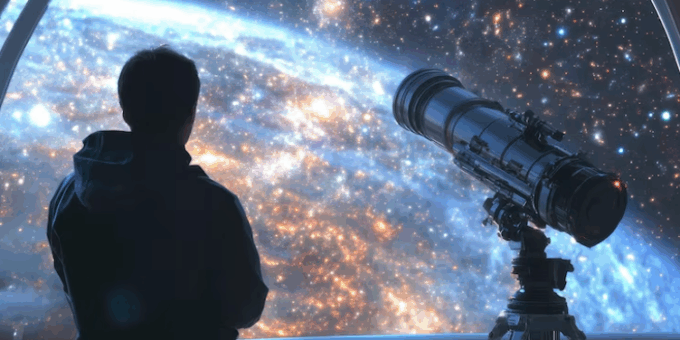
How to Observe Planets Without a Telescope is one of the most exciting topics for beginner astronomers. Many people believe a telescope is required to explore the planets, but that is not true. With the right knowledge, timing, and simple tools, you can observe several planets using only your eyes.
This guide explains everything you need to know about How to Observe Planets Without a Telescope, even if you are a complete beginner. It also shows how this hobby can evolve into an online business through education, content creation, and affiliate marketing.
Why You Do Not Need a Telescope to Observe Planets
Planets are visible because they reflect sunlight. Some of them shine brighter than most stars and can be seen clearly from Earth. Ancient astronomers studied planets long before telescopes existed.
Learning How to Observe Planets Without a Telescope helps you understand the night sky naturally. It also builds a strong foundation before investing in expensive equipment.
Planets You Can See With the Naked Eye
Mercury
Mercury is difficult but possible to observe. Look for it shortly after sunset or before sunrise. It appears low on the horizon.
Venus
Venus is the brightest planet and very easy to spot. It is often called the Morning Star or Evening Star.
Mars
Mars appears as a reddish object in the sky. Its color makes it easier to identify than nearby stars.
Jupiter
Jupiter is extremely bright and often visible throughout the night. It does not twinkle like stars.
Saturn
Saturn appears yellowish and steady. While its rings require a telescope, the planet itself is visible to the naked eye.
How to Identify Planets in the Night Sky
The key difference between stars and planets is motion. Stars twinkle, but planets shine steadily. Over several nights, planets change position relative to the stars.
To improve accuracy, use a sky map or mobile app. One excellent free resource is
interactive planet sky maps
.
If you are new to astronomy, start with our internal guide:
Astronomy Basics for Beginners
.
Best Time and Conditions to Observe Planets
Clear skies are essential. Avoid cloudy nights and areas with heavy light pollution. Rural locations offer better visibility.
Planets are best observed during opposition, when Earth passes between the planet and the Sun. During this time, planets appear brighter and larger.
You can track upcoming events using
planet visibility calendars
.
Using Simple Tools Without a Telescope
Binoculars
Although this guide focuses on How to Observe Planets Without a Telescope, binoculars are a helpful upgrade. They enhance brightness without complexity.
Star Charts
Printed star charts help you learn sky patterns. Over time, you will identify planets without assistance.
Smartphone Apps
Apps use GPS to show planet positions instantly. They are beginner-friendly and free.
How Light Pollution Affects Planet Observation
Unlike faint stars, planets are bright. This makes them visible even in cities. However, darker skies still provide clearer views.
To find darker locations, visit
light pollution maps
.
Common Beginner Mistakes to Avoid
- Expecting telescope-level detail
- Observing during poor weather
- Confusing stars with planets
These mistakes are similar to choosing between affiliate vs dropshipping. Many beginners rush into advanced setups without mastering the basics.
Can Planet Observation Become a Passive Income Source?
Yes. Many astronomy enthusiasts turn their knowledge into blogs, YouTube channels, and digital products. Educational content performs well with affiliate marketing.
Planet observation content can support passive income through:
- Affiliate links for binoculars and apps
- Online astronomy courses
- Printable star charts
Some creators also combine astronomy with a dropshipping business, selling space-themed merchandise.
Planet Observation vs Astrophotography
Observing planets visually is simpler than astrophotography. You do not need cameras, editing software, or advanced skills.
This makes How to Observe Planets Without a Telescope ideal for beginners who want a low-cost entry into astronomy.
How Often Should You Observe Planets?
Consistency is more important than duration. Observing for 15 to 30 minutes a few times a week improves sky familiarity.
Over time, you will recognize planetary paths without assistance.
Final Thoughts on How to Observe Planets Without a Telescope
How to Observe Planets Without a Telescope proves that astronomy is accessible to everyone. You do not need expensive equipment to enjoy the wonders of the solar system.
Start with visible planets, use free tools, and observe regularly. This simple hobby can lead to education, relaxation, and even online business opportunities.
Explore more astronomy guides in our
Night Sky Observation
section.
