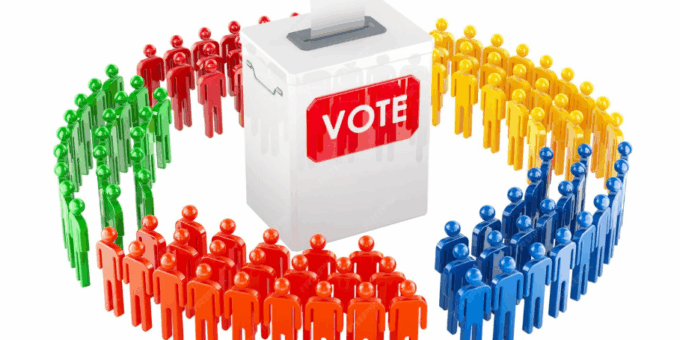
How to Compare Political Parties Before an Election is a critical skill for voters who want to make informed, confident decisions. Elections often bring an overload of promises, slogans, and emotional messaging. Without a clear comparison framework, it is easy to vote based on habit, popularity, or pressure instead of evidence.
This guide provides a structured, unbiased method to compare political parties using policies, values, track records, and real-world impact. Whether you are a first-time voter or an experienced one, these steps help you evaluate parties like a professional analyst.
Why Comparing Political Parties Matters
Political parties shape laws, budgets, and long-term national direction. Voting without comparison risks supporting policies that do not align with your priorities.
Smart voters approach elections the same way entrepreneurs compare opportunities in an online business. Just as no one chooses between affiliate vs dropshipping without research, political choices deserve careful evaluation.
Start With Party Ideologies and Core Values
Every political party is built on a set of core beliefs. These ideologies influence decisions across all policy areas.
Understanding whether a party leans conservative, progressive, liberal, or centrist helps you predict how it will govern beyond campaign season.
Why Ideology Matters Long-Term
Campaign promises change. Core values usually do not. Ideology affects responses to crises, economic policy, and social change.
Compare Party Policy Platforms
Policy platforms outline what parties claim they will do if elected. Focus on detailed proposals rather than slogans.
Evaluate key areas such as:
- Economic policy and taxation
- Healthcare and education
- Employment and business regulation
- Technology, privacy, and digital rights
Trusted explanatory resources like
political party policy explanations
help clarify how parties structure their platforms.
Analyze Track Records, Not Just Promises
One of the most important steps in How to Compare Political Parties Before an Election is examining what parties have done in the past.
Review previous terms in office, voting records, and policy outcomes. Ask whether promises made in earlier elections were fulfilled.
This method mirrors evaluating passive income claims. Past performance reveals credibility better than marketing.
Understand Leadership and Party Structure
Leadership influences how party values translate into action. Strong institutions matter as much as charismatic leaders.
Look at decision-making processes within the party. Is power centralized or distributed? Are leaders accountable?
Compare Economic Policies and Real-Life Impact
Economic policy affects wages, inflation, entrepreneurship, and investment.
Consider how each party’s economic plans may impact workers, small businesses, and innovation.
These policies also influence opportunities in affiliate marketing and a dropshipping business, making them relevant beyond politics.
Evaluate Social Policies Carefully
Social policies often receive the most emotional attention. Focus on specifics.
Ask how policies affect education access, healthcare availability, civil rights, and community safety.
Clear, data-based reporting from outlets such as
fact-based political reporting
helps separate substance from rhetoric.
Review Foreign Policy and Global Positioning
Foreign policy shapes trade, security, and international reputation.
Compare how parties approach diplomacy, defense, and global cooperation.
International perspectives from
global political analysis
can provide valuable context often missing from domestic coverage.
Check Party Positions on Technology and Digital Rights
In the digital age, political parties influence data protection, online freedom, and innovation.
Evaluate stances on cybersecurity, artificial intelligence, and platform regulation.
These policies affect digital economies and future job markets.
Use Independent Research Organizations
Independent research institutions provide non-partisan data that supports objective comparison.
Organizations such as
nonpartisan political research
offer surveys and policy analysis without endorsing parties.
Compare Media Coverage Critically
Media framing can influence how parties are perceived. Compare how different outlets cover the same party.
Look for consistent facts across sources. Differences often reveal editorial bias rather than reality.
Understand Who Supports Each Party
Donors, interest groups, and endorsements offer insight into party priorities.
Ask which industries or organizations benefit most from each party’s policies.
This incentive-based thinking strengthens objective comparison.
Avoid Emotional and Identity-Based Voting
Emotional attachment to parties or identities can limit critical thinking.
Focus on policies and outcomes rather than party loyalty.
This mindset is similar to comparing business models logically rather than emotionally.
Use Issue-Based Comparison Tools
Many civic platforms allow voters to compare party positions issue by issue.
These tools help clarify differences without campaign noise.
Discuss and Debate Respectfully
Conversations with others can expose blind spots. Engage respectfully and listen carefully.
Productive discussion improves understanding rather than reinforcing division.
Link Party Comparison to Your Personal Priorities
Every voter values issues differently. Rank the topics that matter most to you.
Compare parties based on these priorities rather than trying to evaluate everything equally.
Prepare Before Election Day
Complete your comparison before voting begins. Avoid last-minute decisions driven by headlines.
You may also find our internal guide on
how to vote smartly as a first-time voter
helpful for final preparation.
Why Objective Comparison Strengthens Democracy
When voters compare parties thoughtfully, elections become more meaningful.
Parties are held accountable for performance, not just messaging.
Final Thoughts on How to Compare Political Parties Before an Election
How to Compare Political Parties Before an Election is about clarity, not conflict. It requires focusing on evidence, policies, and long-term impact.
By analyzing ideologies, track records, incentives, and real-world outcomes, you become an informed voter. Informed comparison leads to smarter choices and a stronger democratic process.
