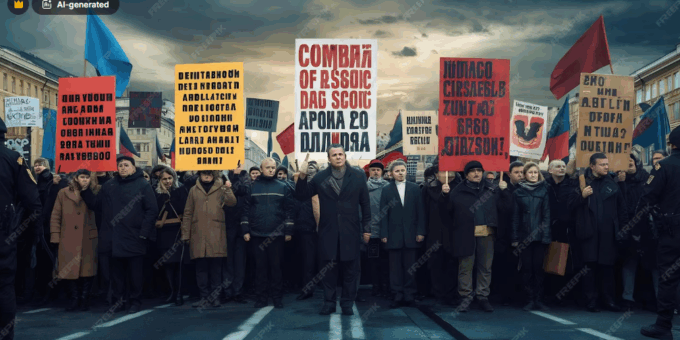
How to Understand Modern Politics Without Bias is one of the most important skills in today’s information-driven world. Political content surrounds us everywhere—news websites, social media platforms, podcasts, and even casual conversations. Yet much of this content is shaped by opinions, interests, and hidden agendas.
Learning to analyze politics objectively helps you make better decisions, avoid manipulation, and engage in meaningful discussions. This guide explains practical, research-backed methods to help you understand modern politics clearly, calmly, and without bias.
Why Bias Is So Common in Modern Politics
Political bias exists because politics is deeply connected to power, money, and ideology. Media organizations, political parties, and interest groups often frame stories in ways that support their own goals.
Algorithms on digital platforms also amplify emotionally charged content. This creates echo chambers where people see only opinions similar to their own. Understanding this structure is the first step in learning How to Understand Modern Politics Without Bias.
Personal Bias vs. Media Bias
Personal bias comes from upbringing, culture, and personal experiences. Media bias comes from editorial choices, funding sources, and political alignment. Recognizing both allows you to separate facts from opinions.
Focus on Verified Facts, Not Headlines
Headlines are designed to attract attention, not to provide complete context. Always read beyond the headline and check original data, official statements, and direct quotes.
Reliable international outlets like
global political news analysis
are known for fact-based reporting and minimal editorial language. Using such sources helps reduce emotional influence.
Compare Multiple Perspectives
No single source provides the full picture. To understand modern politics without bias, read multiple viewpoints from different political and geographic perspectives.
For example, comparing coverage from
international political reporting
and regional news outlets can reveal differences in framing and emphasis.
This habit mirrors how successful people evaluate opportunities in an online business. Just as comparing models like affiliate vs dropshipping helps entrepreneurs make informed decisions, comparing political narratives leads to clearer understanding.
Understand Political Language and Framing
Words matter in politics. Terms like “reform,” “security,” or “freedom” are often used strategically. Learning to identify loaded language allows you to focus on policy substance instead of emotional appeal.
Ask simple questions:
- Who benefits from this message?
- What facts are missing?
- Is the language neutral or emotional?
Separate Opinion from Analysis
Opinion pieces are valuable, but they should not be confused with factual reporting. Many readers unintentionally treat commentary as news.
Trusted research organizations like
political research and public opinion data
clearly separate data from interpretation, making them excellent tools for unbiased learning.
Be Cautious With Social Media Politics
Social media platforms reward outrage, not accuracy. Viral political content often oversimplifies complex issues.
Instead of sharing instantly, pause and verify the source. Ask whether the content informs or provokes. This habit improves political literacy and digital responsibility.
Learn the Basics of Political Systems
You cannot analyze politics objectively without understanding how political systems work. Learn the basics of democracy, authoritarianism, constitutions, and separation of powers.
This foundational knowledge acts like financial literacy in affiliate marketing or a dropshipping business. Without fundamentals, decisions are based on assumptions rather than facts.
Use Critical Thinking, Not Emotional Reaction
Critical thinking means questioning information respectfully and logically. Emotional reactions often cloud judgment and reinforce bias.
Approach political issues the same way investors evaluate passive income opportunities—by examining long-term impact, risks, and evidence.
Understand Incentives Behind Political Content
Political actors rarely act without incentives. These may include votes, donations, influence, or power.
Understanding incentives helps explain why certain topics receive attention while others are ignored. This perspective shifts your focus from personalities to structures.
Engage in Civil Discussions
Discussing politics respectfully exposes you to new ideas. Avoid debates aimed at winning arguments. Instead, focus on learning.
Listening carefully to opposing viewpoints often reveals shared concerns and common ground.
Stay Curious, Not Cynical
Cynicism leads to disengagement. Curiosity leads to understanding. Politics affects education, healthcare, technology, and economic opportunity.
By staying informed and objective, you become an empowered citizen capable of making thoughtful decisions.
Final Thoughts on Understanding Modern Politics Without Bias
Mastering How to Understand Modern Politics Without Bias requires patience, discipline, and continuous learning. It is not about avoiding opinions but about balancing them with verified facts and diverse perspectives.
In a world filled with noise, clarity is power. Whether you are analyzing elections, policies, or global affairs, unbiased understanding strengthens both personal judgment and democratic society.
